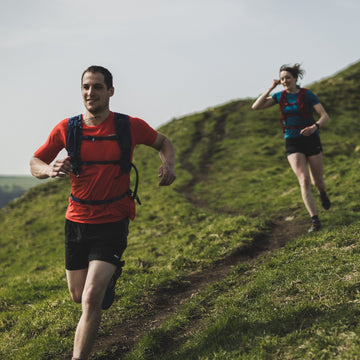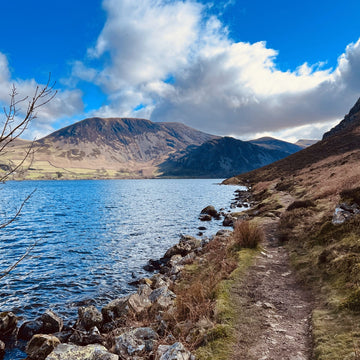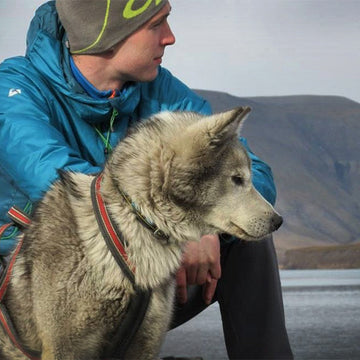






Learn how to run further with simple habits that make long distances feel doable — slow down, shorten your stride, breathe easy, sip often and fuel early. A friendly guide to building up to big goals like The Lap.
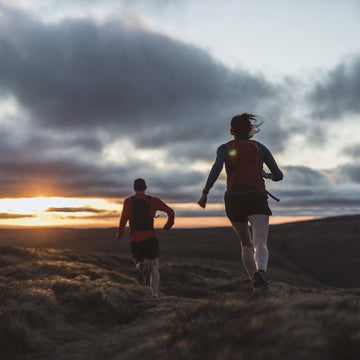
Trail running is the most beautiful form of running. Run in the woods, run on trails, run in the mountains. Run on anything but tarmac. Because trail running doesn’t demand speed - it rewards time, patience, and the willingness to keep putting one foot in front of the other. It invites you to stay out long enough that the world opens up around you, and the miles become just part of the scenery.
How to Run Further
Some runs can feel impossible until the day they don’t. If you’ve ever looked at a long-distance trail race - something like The Lap, a 75 km loop of Lake Windermere, known as the Beautiful Ultra - and thought “that’s for other people”, here’s a quiet truth: most runners who finish those distances are just like you and me. They've just built the habits that let them go a little further, then a little further again.
This isn’t a hardcore training plan, it blends the best trail running tips with hydration and fuelling strategies to go further. It’s a friendly, confidence-building guide to the techniques that genuinely move the needle: slowing down, shortening your stride, breathing easy, sipping regularly and fuelling before you’re empty. Stack them together and the miles start to feel less intimidating - whether that’s your first 10k or a big dream loop around the Lakes.
And when in doubt, remember one thing: If you want to run. Go run. Everything else can be learned along the way.
What this guide covers
- Building the mindset to run further
- Why slowing down helps you run farther
- Shortening your stride to save energy and reduce impact
- Breathing technique for long runs
- Sipping water on long runs: how often and how much
- When to fuel on long runs and what to eat
- Building distance safely over time
- Trail skills that help you run further
- Kit that makes a difference on long runs
- How these habits lead to running an ultra like The Lap
In a rush? Here’s the gist:
- Slow down more than you think - easy pace unlocks long distance
- Shorten your stride to save energy and reduce impact
- Breathe long and rhythmically to stay relaxed and efficient
- Sip water every 10-15 minutes and don’t wait to feel thirsty
- Fuel early (30-40 minutes in) and keep it small and regular
- Increase distance gradually - small steps compound fast
- Trail skills turn hard miles into fun miles
- Run until the joy catches up

Building the mindset to run further
Long-distance running is mostly a pacing and energy game, not a toughness test. The biggest mindset shift? Don't think of long runs as a harder, faster versions of your 5K. Start thinking of them as a gentle, steady adventure. Long-distance runners aren’t pushing; they’re preserving.
That’s why trail running works so well: the terrain gives you permission to slow down, walk the climbs, and enjoy the journey. If you finish a long run feeling like you could’ve gone further, that’s the magic sweet spot. That’s how distance quietly builds in the background. It's also the mindset that carries runners through longer, tougher routes like the Dragon's Back Race.
Why slowing down helps you run farther
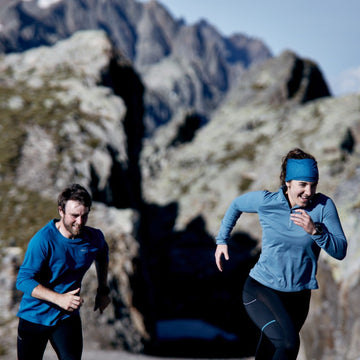
Your aerobic engine - the one that carries you through long distances - works best at an easy pace. Easy means conversational. If you can’t chat in full sentences, you’re not running your long-run pace.
Slow running keeps your heart rate lower, reduces fatigue, and helps your body build long-distance running efficiency. It’s the core of every smart beginner ultra training plan, because it works.
The science is very clear: go too fast and you drain your glycogen, spike your heart rate and tire your muscles early. Slow down - even to a shuffle - and suddenly time on feet becomes sustainable.
If you want to run far, run slow. Save your power for when you’ll actually need it.
Shortening your stride to save energy and reduce impact
Long strides look fast, but they beat your legs up. Shorter steps keep your feet under your centre of mass, reduce impact, and help you stay relaxed when you’re tired. They also slightly increase cadence, which spreads the load and reduces fatigue.
Overstriding wastes energy and increases impact. A shorter stride with a slightly higher cadence spreads the workload across your muscles and makes it easier to maintain good form late into long runs.
Think:
- Light feet
- Quick steps
- No overstriding
On hills, shorten even more. Walk when you want to. Ultra runners walk all the time - it’s part of the craft.
This is one of the most effective trail running tips for beginners - easy to learn, instantly helpful.

Breathing technique for long runs
Smooth breathing = smooth running. Breathe to relax, not to chase oxygen. Smooth, rhythmic breathing helps your body stay in the aerobic zone and stops tension creeping into your shoulders and jaw.
- Breathe deep into your diaphragm
- Keep your shoulders soft
- Try a 3-in / 3-out rhythm on easier terrain
If your breathing feels ragged, slow down until it smooths out. That’s your body pacing for you.
Sipping water on long runs: how often and how much
Dehydration creeps up quietly - heavy legs, foggy head, effort that feels wrong. The best hydration strategy for long runs is simple: sip, don’t swig.
- Sip water every 10-15 minutes
- Carry soft flasks so drinking isn’t a faff
- Adjust fluid intake on hot, windy or hilly routes
Consistent small sips help you run longer without injury or fatigue spikes.
You don’t need to overthink it - just make drinking easy. Soft flasks, a running vest, or a simple handheld bottle remove friction so you actually do it.
When to fuel on long runs and what to eat
If you wait until you “feel hungry”, you’re already behind. For anything over an hour, start fuelling at around the 30-40 minute mark. You’re topping up, not refilling the tank.
- Chews, gels or pieces of bar
- Soft real-food snacks on long days (bananas, flapjack, potatoes)
- A sip of water with each bite to help digestion
Fuelling for long runs is all about consistency. Lots of little inputs, not a big desperate gel when your legs give out. The goal is steady energy - no big surges, no sudden crashes.
Building distance safely over time
You don’t need dramatic weekly mileage jumps. Distance comes from consistency - a little more each time, layered over weeks and months.
- Add 5-10 minutes to one weekly run
- Use hills and walk breaks strategically
- Consider back-to-back easy days instead of one huge effort
- Leave your watch at home for one relaxed weekly run
Progress happens quietly. One day you look back and realise: you’ve already run further than you believed possible.

Trail skills that help you run further
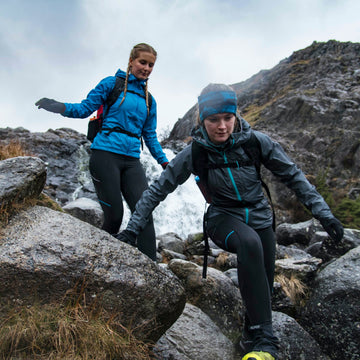
Trail running is a gift for anyone stretching their distance. Softer surfaces reduce impact, varied terrain gives your muscles a break, and natural pauses - gates, climbs, stones, views worth stopping for - keep the effort manageable.
You don’t have to run every step. Trail running is permission to move however your body wants. Run until the joy catches up. As routes get longer and less familiar, it's worth brushing up on trail running navigation so you can explore with confidence.
Kit that makes a difference on long runs
You don’t need much. But the right kit makes everything feel easier:
- A comfy running vest or belt
- Soft flasks or a small bladder for easy sipping
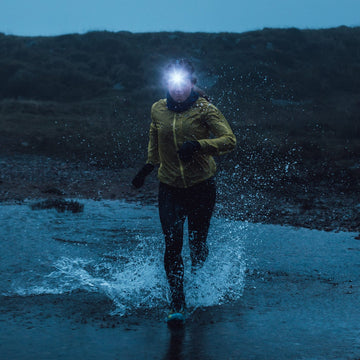
- Lightweight layers for British weather (windproof, waterproof)
- Grippy trail shoes suited to your terrain
- Trail running poles for additional support and control on climbs and slippy ground
- Good socks and zero fuss
- Personally I take a phone for safety
The best kit is the kit you stop noticing. Running through the colder months brings its own kit considerations too - see our guide to winter running kit for how to prepare.

How these habits lead to running an ultra like The Lap
Ultras aren't built on heroics. They're built on thousands of easy, smart steps: slower pace, shorter stride, steady breath, regular sipping, consistent fu
More trail running guides
Trail Running Clothing
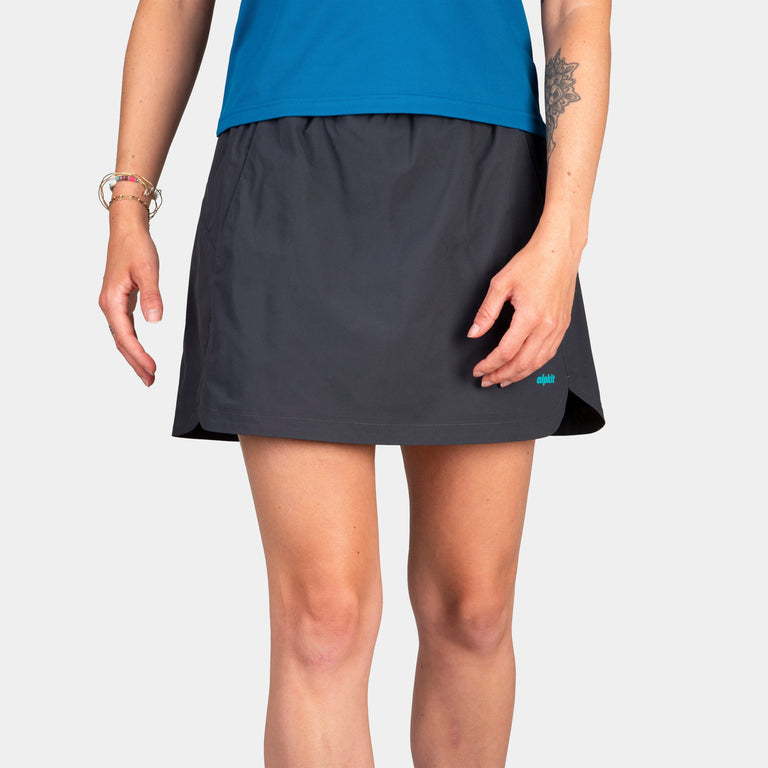
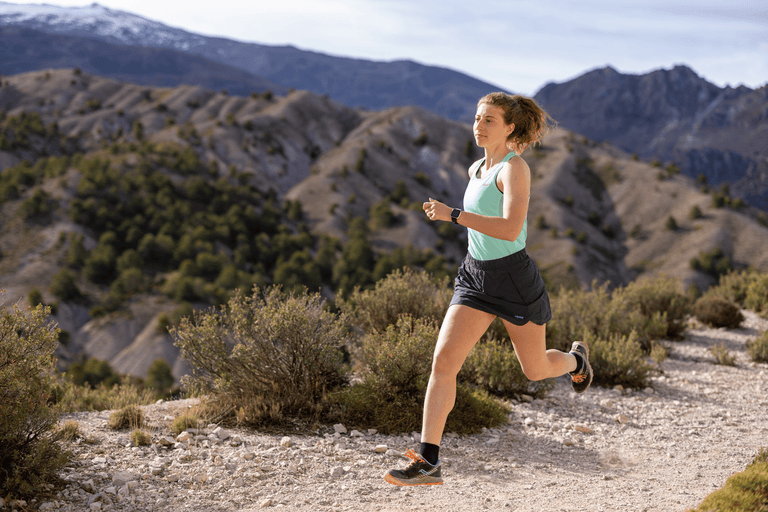

Aiguille [Womens]
Technical trail skirt with comfortable inner shorts for running, hiking and fastpacking.
€49,99
![Mello Short [Womens]](http://eu.alpkit.com/cdn/shop/files/mello-short-2026-black.jpg?v=1780045501&width=768)
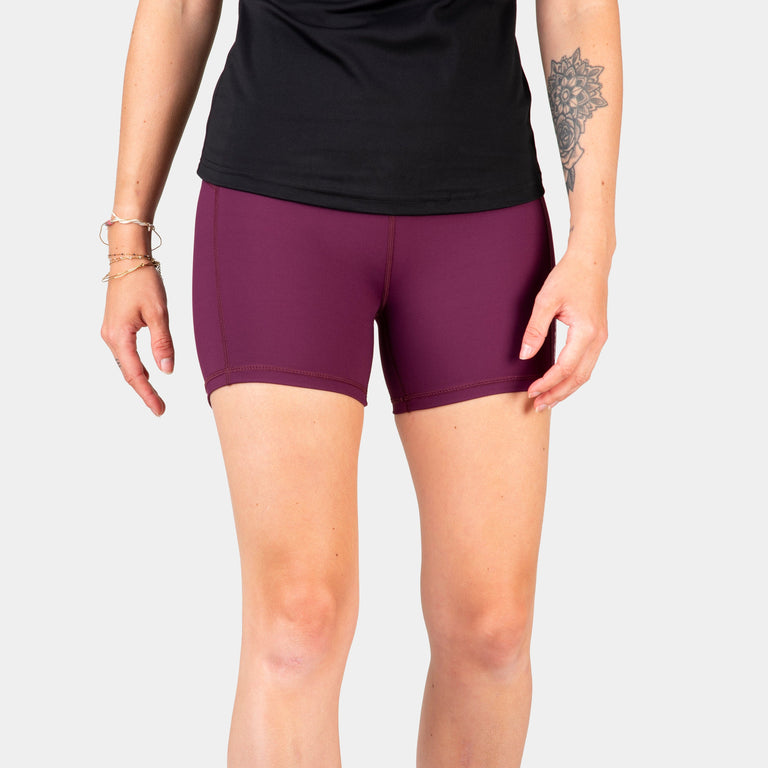


![Mello Tight [Womens]](http://eu.alpkit.com/cdn/shop/files/mello-tights-2026-nemo.jpg?v=1779341787&width=768)


Mello Tight [Womens]
Technical all-day leggings made for running, hiking, scrambling and climbing
€59,99
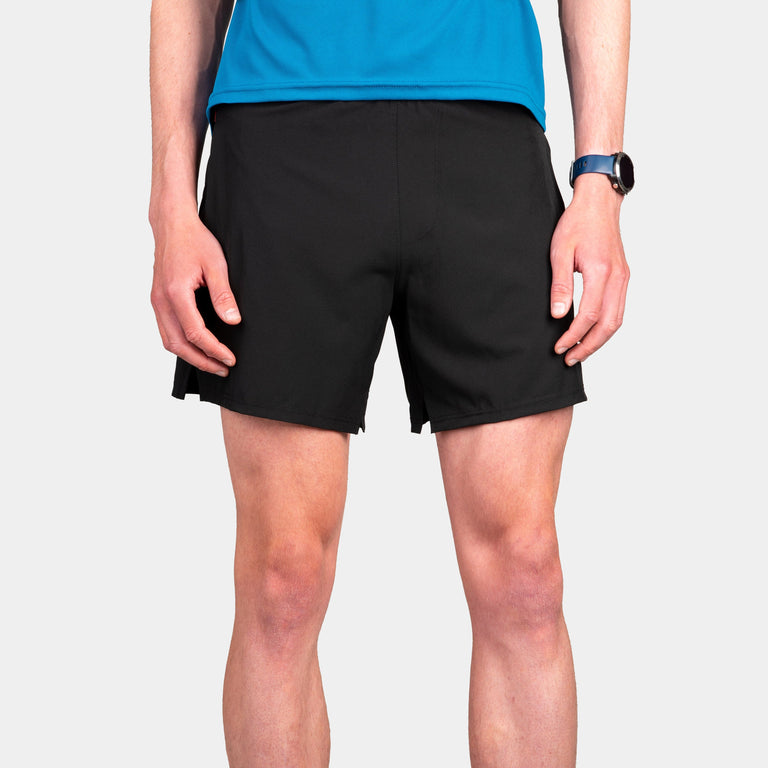
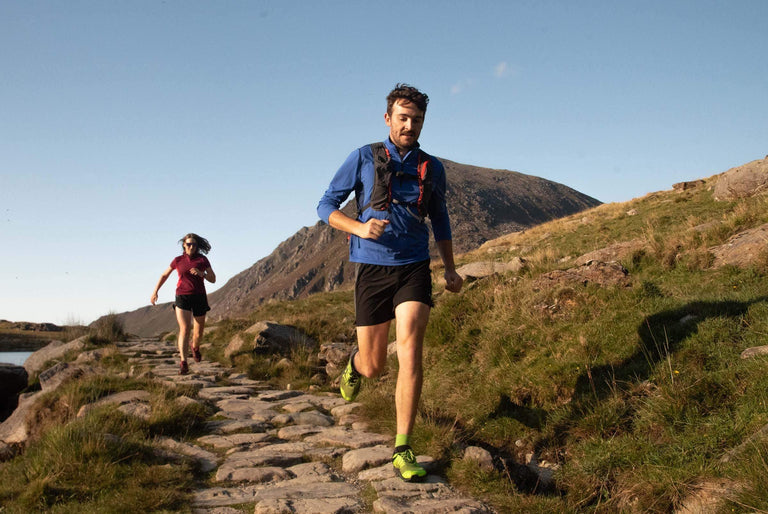
Koulin Trail Short [Mens]
Lightweight, quick-drying trail running shorts with Polygiene® odour control
€44,99
-
New
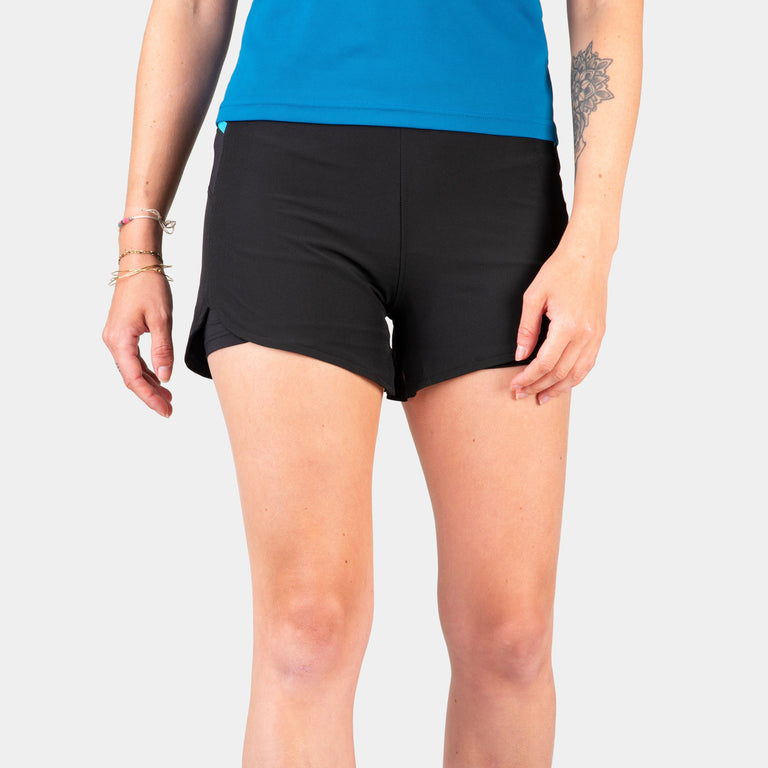
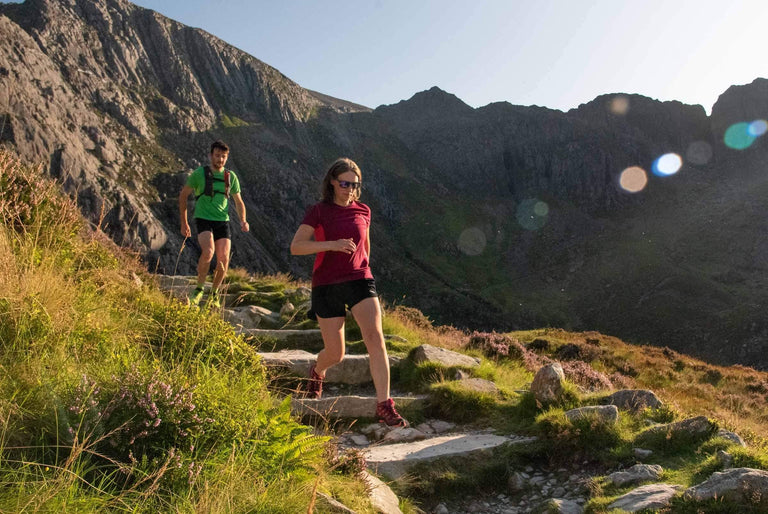
Koulin Trail Short [Womens]
Lightweight, quick-drying trail running shorts with Polygiene® odour control
€44,99
-
Sale
![Vayper Short Twin [Mens]](http://eu.alpkit.com/cdn/shop/files/mens-vayper-twin-2025-black.jpg?v=1779340774&width=768)
![Vayper Short Twin [Mens]](http://eu.alpkit.com/cdn/shop/files/vayper-twins-mens-2025-2.jpg?v=1779340775&width=768)
Vayper Short Twin [Mens]
Twin layer running shorts for better weather protection and reduced chafing on long runs
€49,99
€64,99


Vayper Short Twin [Womens]
Twin layer running shorts for better weather protection and reduced chafing on long runs
€64,99
![Koulin Trail 3/4 Tights [Mens]](http://eu.alpkit.com/cdn/shop/files/koulin-trail-three-quarters-mens-2025.jpg?v=1770835793&width=768)
![Koulin Trail 3/4 Tights [Mens]](http://eu.alpkit.com/cdn/shop/files/koulin-trail-34-mens-2025-1.jpg?v=1770835793&width=768)
![Koulin Trail Tights [Mens]](http://eu.alpkit.com/cdn/shop/files/koulin-trail-tights-mens-2025.jpg?v=1770835807&width=768)
![Koulin Trail Tights [Mens]](http://eu.alpkit.com/cdn/shop/files/koulin-trail-tight-mens-2025-1.jpg?v=1770835807&width=768)
![Koulin Trail 3/4 Tights [Womens]](http://eu.alpkit.com/cdn/shop/files/koulin-trail-three-quarters-womens-2025.jpg?v=1774551088&width=768)
![Koulin Trail 3/4 Tights [Womens]](http://eu.alpkit.com/cdn/shop/files/Running_C3_001637_1.jpg?v=1774551088&width=768)
![Koulin Trail Tights [Womens]](http://eu.alpkit.com/cdn/shop/files/koulin-trail-tights-womens-2025.jpg?v=1770835768&width=768)
![Koulin Trail Tights [Womens]](http://eu.alpkit.com/cdn/shop/files/RUN_AW24_Chamonix_0695_1.jpg?v=1770835768&width=768)


Your next reads