







Cold hands, numb toes or a chilled head can end a winter day early. Learn how to keep extremities warm outdoors with simple layering, windproofing and moisture tips.
Cold hands, numb toes and a head that won’t stay warm can turn even the best winter day into a short one. The rest of your body might feel fine, but once your extremities give up, comfort goes quickly and decision-making follows. This guide breaks down how to look after your head, hands and feet so winter feels inviting rather than intimidating.
It’s not a kit list. It’s a simple, practical explainer rooted in how the human body works in cold weather, what actually causes extremities to suffer, and how to build a system that keeps you warm, dry and capable when the temperature drops.
Whether you’re winter walking, turning boggy miles on the bike, or pitching a tent in sleet, looking after your extremities is the difference between calling it early and staying out because you’re still having fun. For more cold-weather hillwalking advice, visit our dedicated hiking pages.
Questions we’ll cover:
- Why do extremities get cold first?
- How do I keep my hands warm when walking in winter?
- Are mittens warmer than gloves?
- How do I stop cold feet outdoors in winter?
- Should I layer socks?
- Do you really lose most of your heat through your head?
In a rush? Here’s the gist:
- Your extremities get cold first because the body prioritises protecting your core.
- Windproofing + managing moisture makes a bigger difference than insulation alone.
- Mittens are warmer than gloves because they reduce surface area and share heat.
- Cold feet are usually caused by moisture, compression or poor circulation - not lack of insulation.
- You do lose heat through your head, but no more than any other uncovered area.
- Think in systems: head, hands and feet stay warm when the whole body is working well.

Why do extremities get cold first?
Your body is a remarkable risk manager. When temperatures drop, it prioritises your vital organs and reduces blood flow to your hands, feet and head. This isn’t personal - it’s just biology. Add wind chill, wet conditions or long periods of standing still and that reduction becomes even more noticeable.
The good news: most cold-related discomfort in the extremities is preventable with the right combination of warmth, dryness, wind protection and movement.
- Cold hands often start with a cold core - keep your torso warm first.
- Moisture (sweat or external water) accelerates heat loss dramatically.
- Wind steals warmth faster than anything else - windproof layers make a huge difference.
How do I keep my hands warm when walking in winter?
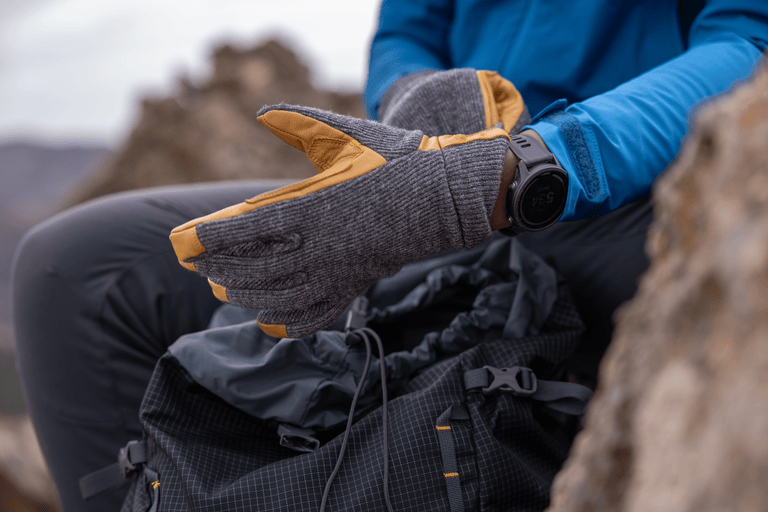
Hands cool quickly because they have a high surface area and relatively little muscle. The trick is to think about what hands actually need: insulation, windproofing and a way to manage moisture.
A simple system:
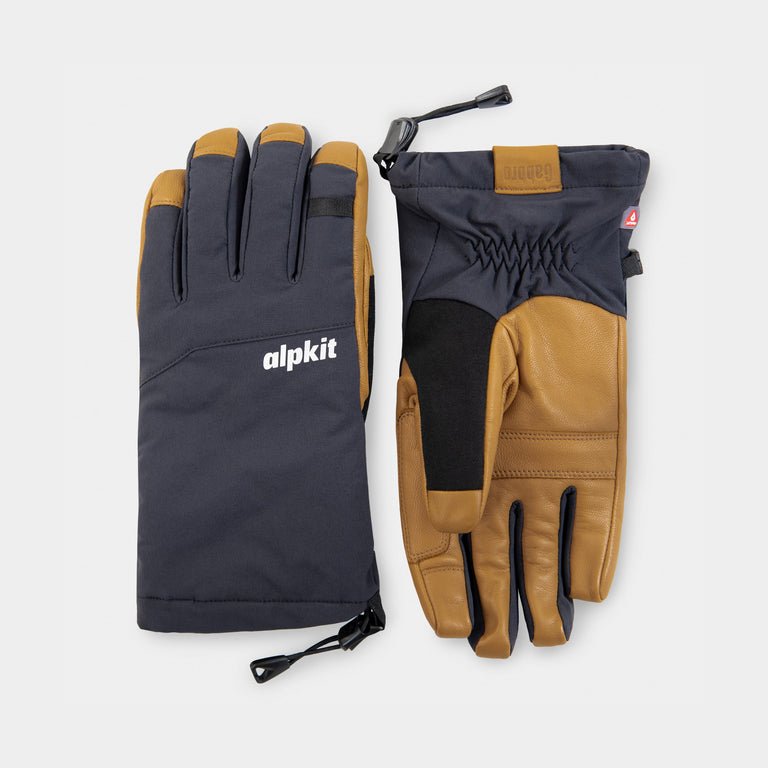
- Liner gloves for moisture management and dexterity.
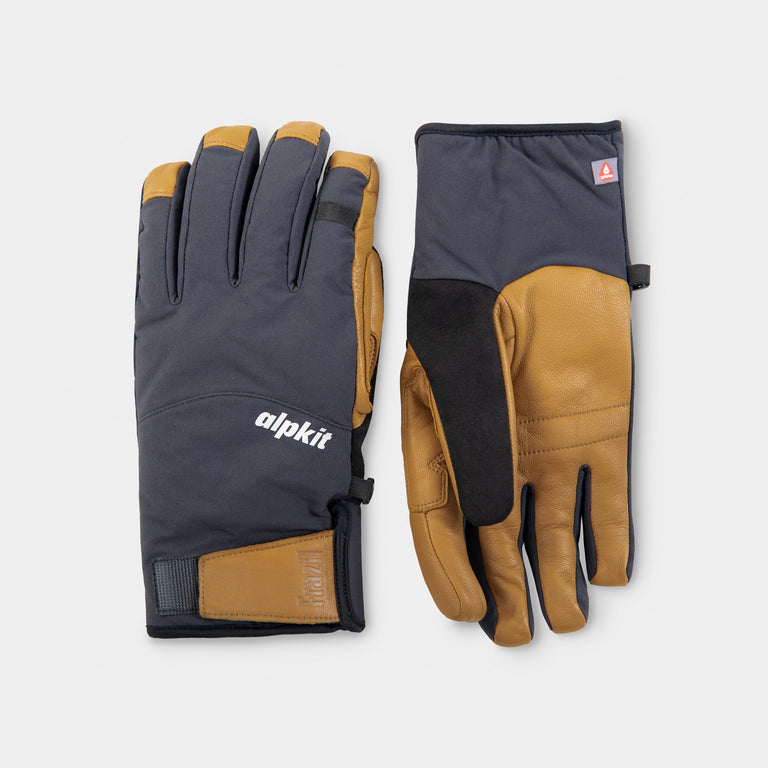
- Insulated gloves or mitts for warmth (synthetic for wet UK days, down for alpine cold).
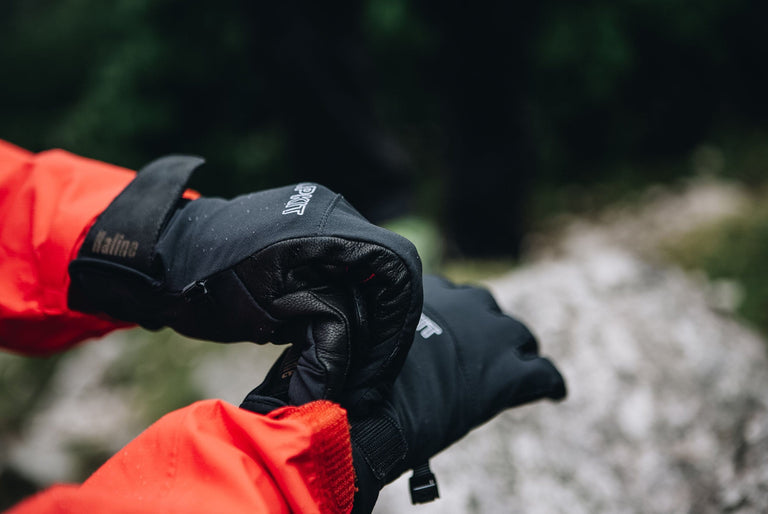
- Windproof or waterproof shell to stop convective heat loss.
If your hands still get cold, the culprit might be circulation. Flicking your arms gently, loosening straps and keeping your core warm all help. And when it’s truly bitter? Pack a spare pair - wet gloves are hard to rescue mid-day.
Are mittens warmer than gloves?
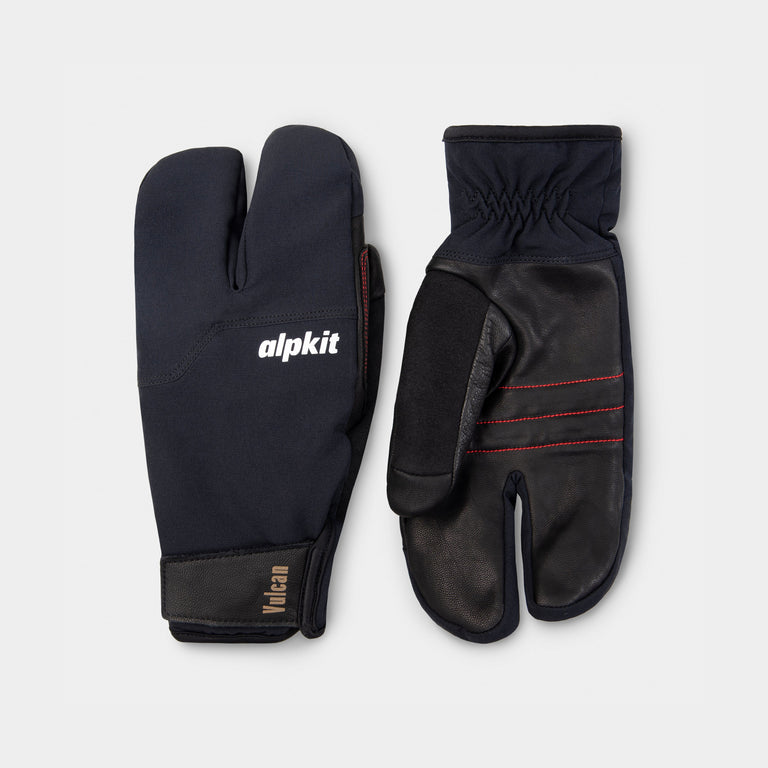
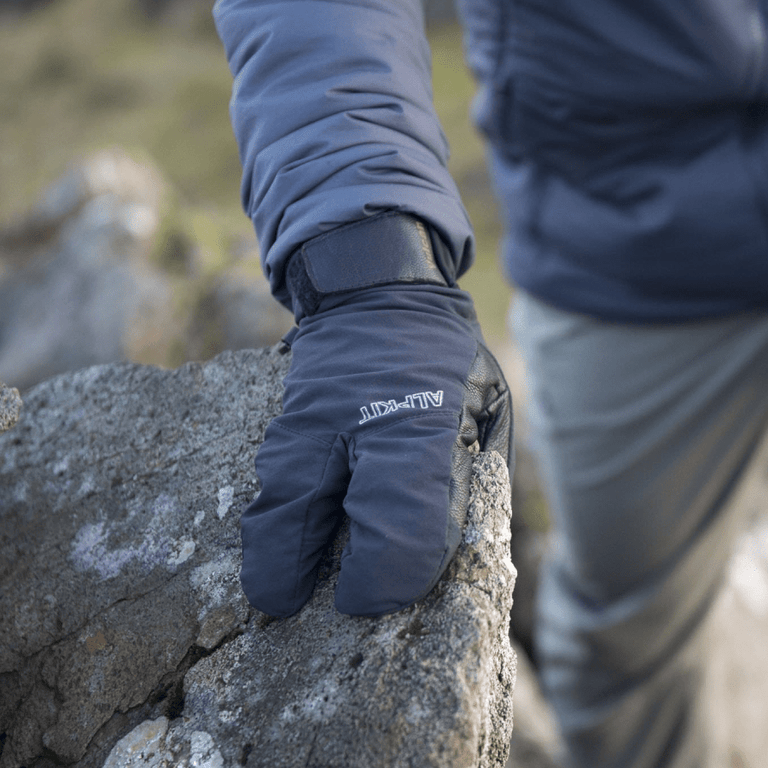
Yes - and it’s not even close. Mittens reduce exposed surface area and let fingers share heat, making them significantly warmer than gloves of the same weight. The trade-off is dexterity, so many winter travellers use a hybrid system: thin liner gloves for fiddly jobs, mittens for moving.
- Choose mitts for deep cold, windchill or long periods of low activity.
- Choose gloves for tasks that need dexterity while still offering warm protection.

How do I stop cold feet outdoors in winter?
Feet usually get cold for three reasons: sweat, compression, and trapped moisture from the environment. Insulation alone won’t solve those - in fact, too much insulation can make things worse by reducing circulation.
Focus on:
- Dryness: Merino socks manage sweat better than synthetics or cotton.
- Fit: Over-tightened boots restrict blood flow - loosen them slightly for cold climbs.
- Wind and water: A damp boot very quickly becomes a cold boot.
- Movement: Wiggle toes often, especially on stops and descents.
If your feet run cold even in mild conditions, consider switching to a two-sock system or using a vapor-barrier liner on very cold days.

Should I layer socks?
Sometimes. In deep winter or multi-day trips, layering can help manage moisture and preserve insulation. But it has to be done well - too many socks, or socks that are too thick, simply reduce circulation.
- One good pair of Merino socks is enough for most UK winter days.
- Two pairs work if the first is thin and wicks moisture, and the second adds insulation.
- Avoid cotton entirely - it traps moisture and chills fast.
Do you really lose most of your heat through your head?
The idea that you lose “up to 80%” of your heat through your head is a myth. You lose heat from any uncovered area. But because the head is often the only uncovered bit on a cold day, it feels significant.
Either way: cover your head and your whole body feels warmer.
- Windproof hats stop wind chill dead.
- Fleecy beanies trap warm air without bulk.
- Buffs and headbands protect ears, which are especially sensitive to wind.
In cold wind, a warm hat can be more effective than adding another layer to your torso.
In summary
Protecting your extremities isn't about buying the thickest gloves or the heaviest socks. It's about understanding how your body behaves in winter and building a simple system that keeps heat in and moisture out. Warm core, dry layers, windproof shells - and a little planning. When your extremities are comfortable, winter feels much more like a season to enjoy.
Winter Hiking Series
Now you know how to protect your extremities, explore more of our winter hiking guides:
- Essential Winter Hillwalking Equipment - 10 essentials for winter days on the hill
- How to Stay Warm and Dry When Winter Hillwalking in Scotland - Complete layering strategies for challenging conditions
- Winter Munro Bagging Gear: Anna Wells' Picks - Kit insights from a record-breaking winter Munroist
- Why Primaloft Jackets Are Ideal for Winter Hillwalking - Why synthetic insulation works in wet UK winters
- Winter Walking in the Lakes - Plan a multi-day winter adventure in the Lake District
Gloves


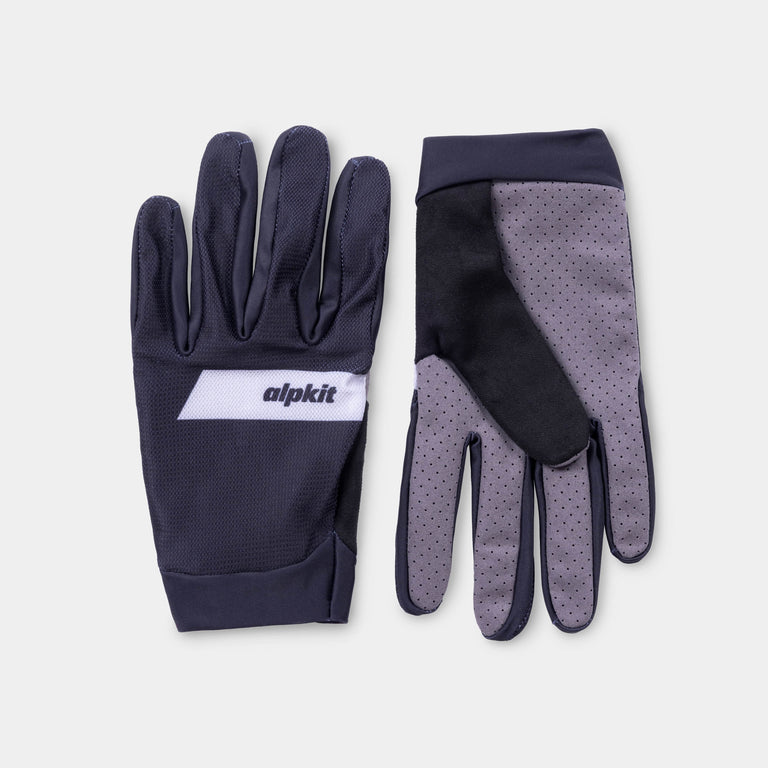


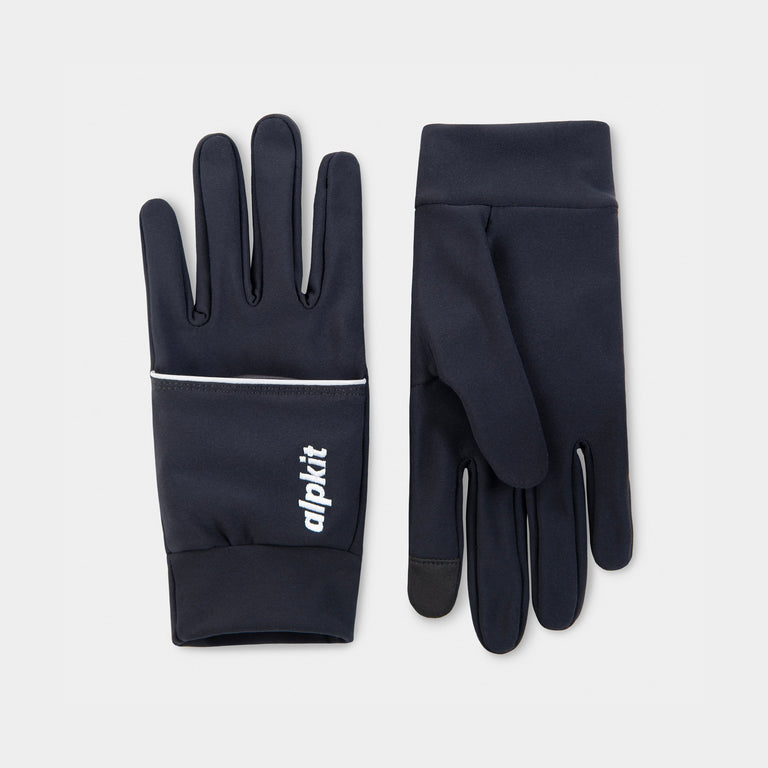
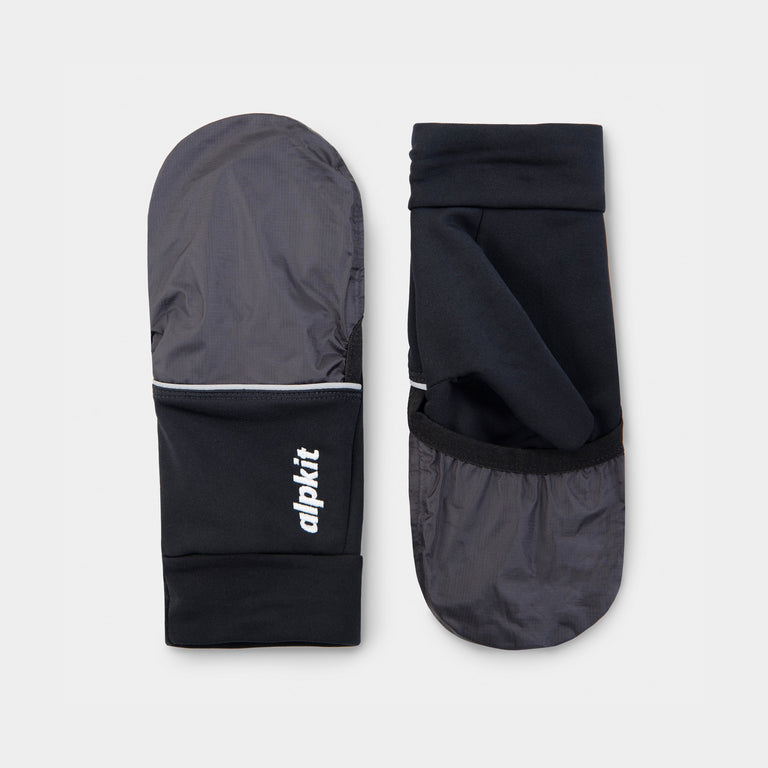
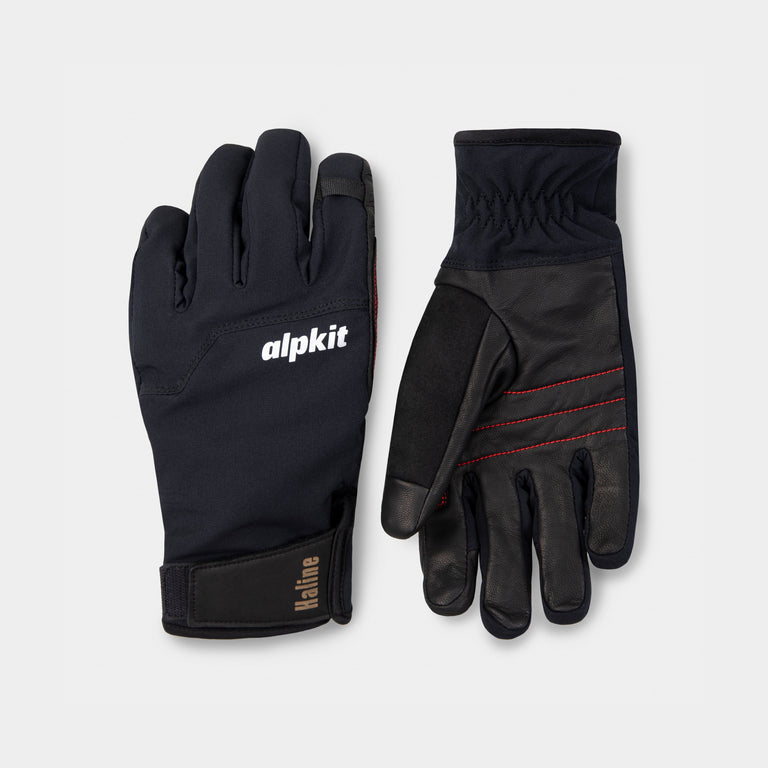
Specta Pullover Glove
Running gloves with stowable windproof pullover mitt and touchscreen fingertips
€29,99





Your next reads


